


Do you need special custom-built motorcycle insurance in Ontario? In most cases, the product is the same one every rider carries, with the same mandatory Ontario coverages underneath it. What changes is the conversation: a one-off build, a five-figure paint job or a motor that no longer matches the factory spec sheet has a value and a risk profile that a stock bike does not, and the paperwork has to catch up to the bike before a claim ever happens.
This guide is about that second part. It covers how a custom build's value tends to be looked at, how to document what you have, who needs to take these steps seriously, and what to bring to a broker so nothing gets guessed at.
What custom built motorcycle insurance actually means
Ontario does not have a separate licence class or a separate insurance category for a custom bike. The Financial Services Regulatory Authority of Ontario lists the same minimum coverages for every motorcycle on a public road: third-party liability, statutory accident benefits, direct compensation for property damage, and uninsured automobile coverage. A hand-built chopper and a showroom cruiser start from the same floor.
Where they part ways is everything above that floor. Physical damage coverage for the bike itself, the optional collision and comprehensive coverages, is priced and settled on what the bike is worth and how it is built. That is the part riders mean when they ask about special coverage, and it is the part a broker actually has to think about.
So the honest answer to the custom built motorcycle insurance question is: not a special policy, but a properly described bike. Get the description right and the rest follows.
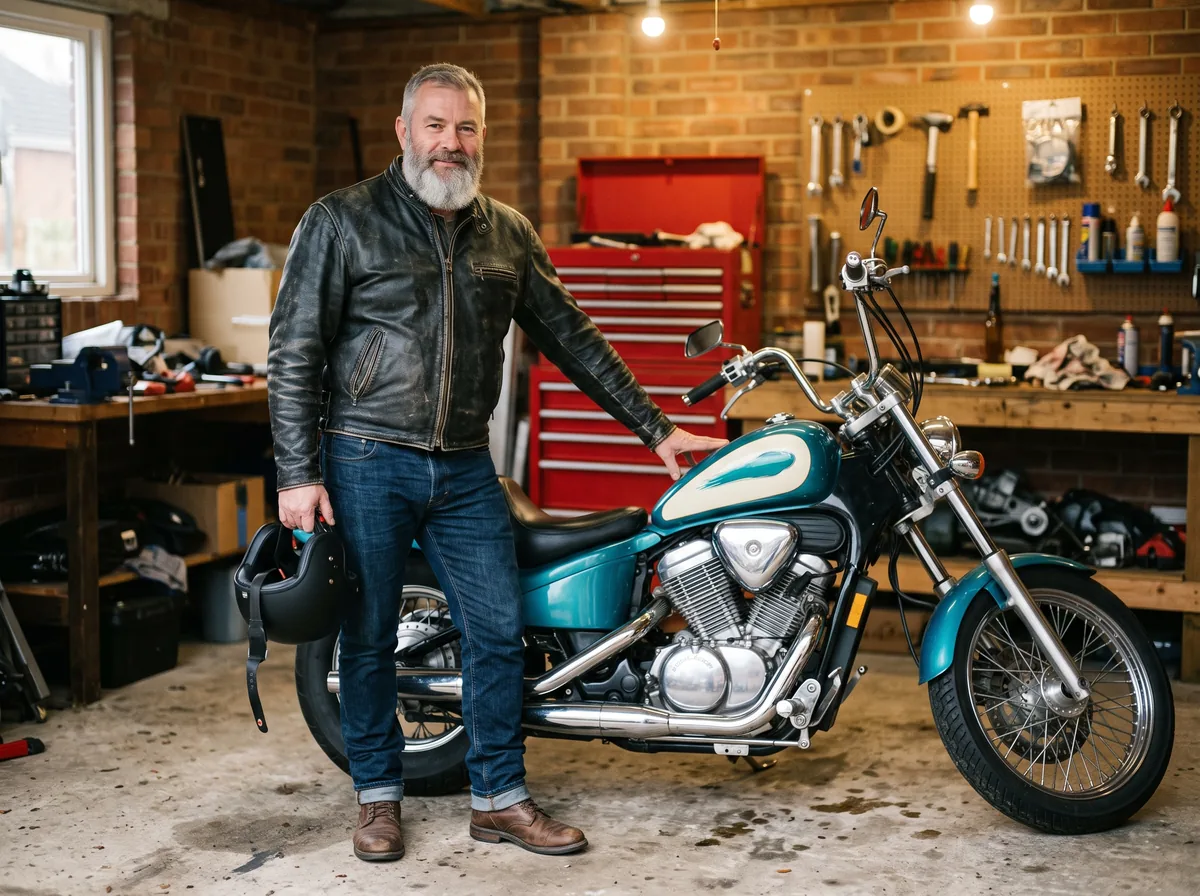
How the value of a custom build is looked at
Three kinds of bike show up in this conversation, and they are treated differently.
A factory custom
A limited-run model that left the factory with premium paint, upgraded wheels and a bigger motor already has a manufacturer's price and a model code behind it. Its value is easy to look up, which is why these are usually the simplest of the three to place.
A modified production bike
A stock cruiser with a few thousand dollars of exhaust, seat, bars, lighting and paint added over the years is the most common case. The base bike is still easy to value; the additions are not, and it is common for a motorcycle policy to treat added equipment differently from the bike itself. Whether those additions are included, capped, or need to be declared separately depends on the insurer, which is exactly why they need to be listed rather than assumed.
A one-off build
A frame-up build, a bike assembled from a title and a pile of parts, or a project with a swapped motor has no catalogue value at all. For these, the bike is often worth whatever can be demonstrated on paper, and some insurers will want an appraisal or a detailed build sheet before they will quote physical damage coverage at all. Some markets offer an agreed or stated value approach for bikes like this; availability and terms vary, so treat that as a question for your broker, not a given.
People often ask: does a big paint job change my premium?
It can, and it can also change what gets paid on a claim, which is the part people forget. Paint and chrome add value that a book lookup will never see. If the work is declared and documented, a broker can try to place it properly; if it is not, the bike is being insured as though the work was never done.
Documenting your build so the paperwork matches the bike
Documentation is the whole game in any custom built motorcycle insurance conversation. A claims adjuster who has never seen your bike is going to work from what is on file, and a shoebox of memories is not on file.
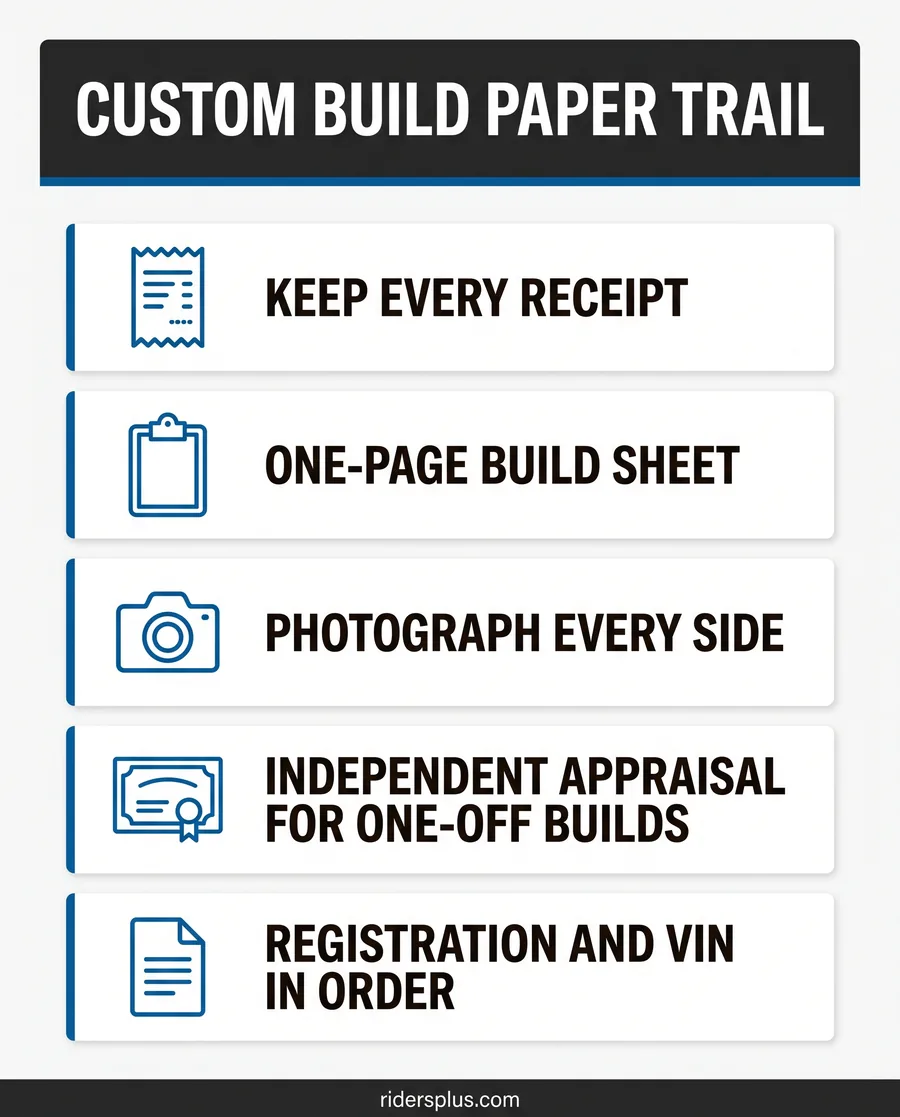
- Keep every receipt. Parts, paint, machine work, labour. Photograph paper receipts so they survive a decade in a garage drawer.
- Build a simple build sheet. One page: what was changed, by whom, when, and roughly what it cost. Update it when something new goes on.
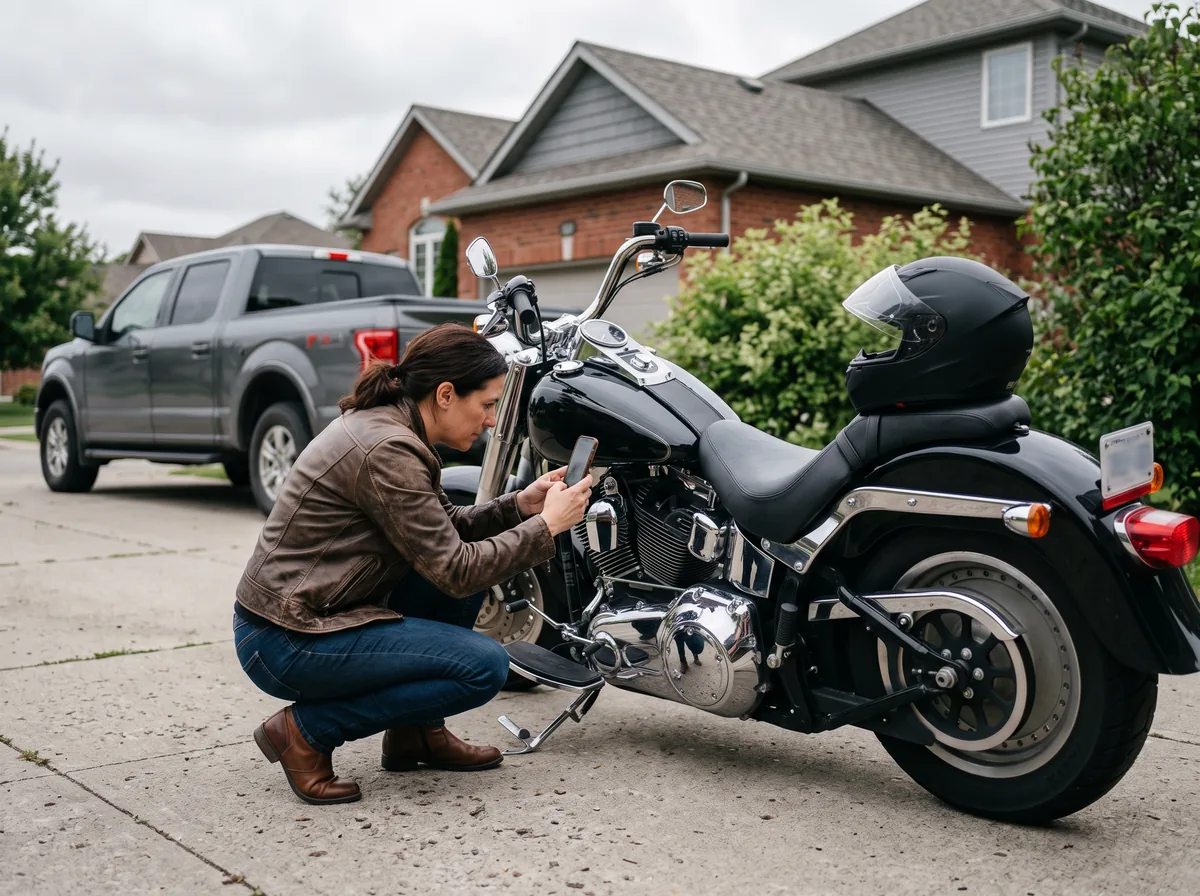
- Photograph the bike properly. Both sides, front, rear, the tank and paint up close, the motor, and any serial plates. Repeat after each major change.
- Consider a written appraisal. For a one-off build or a paint job with real money in it, an independent appraisal is the document a broker can actually do something with.
- Get the registration right. A bike built from parts or with a replaced frame may need extra steps before it can be plated in Ontario. That is a question for ServiceOntario's used vehicle page, and it is worth settling before the insurance conversation, not after.
Who this matters most for
If any of these describe your bike, the custom built motorcycle insurance steps above are not optional extras.
- The bike was built from a frame or a title rather than bought as a complete motorcycle.
- The paint, plating or bodywork is worth more than a few thousand dollars on its own.
- The motor has been rebuilt, bored, swapped or fitted with forced induction.
- The frame geometry, front end or wheelbase has been changed.
- The bike is older and its real-world value is well above what a generic book value would suggest.
Performance and geometry changes belong on that list for a second reason: they change the risk of the bike as well as its value. The earlier post on which modifications insurers care about walks through that side in detail, so it is not repeated here.
Did you know
A build that lives in the garage all winter is still a bike an insurer has on the books. Storage, theft and fire risks do not take the off-season off, which is why the conversation about value matters year round and not only in May. The Ontario stolen motorcycle numbers in this year's theft roundup are a good reminder of why.
Who can keep it simple
Plenty of riders never need an appraisal. Bolt-on cosmetics, a windshield, a set of bags, a comfort seat, grips, mirrors, a phone mount: these are normal accessories on a cruiser, and most brokers see them every day. The habit that still applies is simple. Tell your broker what is on the bike, keep the receipts, and mention new additions at renewal. Ten minutes on the phone keeps a small accessory list from becoming a surprise later.
The line between simple and not simple is usually money and mechanics. If a change is worth a lot or makes the bike behave differently, it moves up a category.
What to bring to a broker
A broker can only place what they can describe, so the goal of the call is to make the bike describable. Bring:
- The registration and VIN, plus any paperwork from a frame or motor replacement.
- Your build sheet and the receipts behind it.
- Recent photos of the finished bike.
- An appraisal, if you have one, or a note that you are willing to get one.
- A straight answer on how the bike is ridden: daily, weekends, shows and parades, or mostly parked.
With that in hand, a Riders Plus broker can talk through which insurers are comfortable with a custom build, what an agreed or stated value arrangement would look like if one is available for your bike, and where accessory limits sit. Trusted by Ontario riders for more than 25 years, the brokerage places unusual bikes regularly, and riders in Oakville and the west GTA and Whitby and Durham Region can start with a call or an online motorcycle quote request and go from there.
Good to know
This article is general information for Ontario riders, not insurance, legal or financial advice, and it does not describe the terms of any policy. Coverage, eligibility and pricing depend on the insurer, the rider and the bike, and they change over time. Talk to a licensed Riders Plus broker about your own situation before you make a decision. Riders Plus Insurance is not responsible for decisions made solely on the basis of this article.
Download the free quick guide
A one-page checklist for documenting a custom or modified cruiser, plus the questions to ask your broker.
Frequently asked questions
Is custom built motorcycle insurance more expensive?
Sometimes, and not always for the reason riders expect. A higher declared value generally means more to insure, so physical damage coverage on a bike worth more will usually cost more than the same coverage on a stock bike. Performance and frame changes can also move the risk side of the equation. What a specific build costs to insure depends on the insurer, the rider's history and the bike, so the only useful number is a quote, not a rule of thumb.
Do I need an appraisal for a modified cruiser?
Not for a typical accessory list. Bags, seat, bars, windshield and lighting are everyday additions, and receipts plus a short list are usually enough for a broker to work with. An appraisal becomes worth the effort when the bike is a one-off build, when the paint or plating carries real money, or when the bike's true value is well above a generic book figure. Ask your broker before you pay for one; they can tell you whether the insurers they would approach want it.
What happens if I add parts after the policy starts?
Tell your broker when it happens, or at the latest at renewal. Added equipment is commonly treated differently from the bike itself, and an insurer can only take into account what has been declared. Keeping the build sheet current and dropping a quick note to the brokerage after a major change is the habit that keeps the file and the bike in step.
Can a bike built from parts be insured in Ontario at all?
Often yes, but the order of operations matters. A bike assembled from a frame or with a replaced frame may need extra registration steps through ServiceOntario before it can be plated, and an insurer will want to see a properly registered bike with a VIN it can verify. Sort the registration first, gather the build documents, and then bring the whole package to a broker who deals with custom bikes.
The bikes that cause trouble at claim time are rarely the wild ones. They are the ordinary cruisers that quietly picked up eight thousand dollars of parts over a decade and never told anyone. Write it down, photograph it, and make sure you're covered for the bike you actually own.





join the conversation