


⏱️ 6 Minute Read | 📍 Ontario Riders | 🛡️ Insurance Awareness | 💡 Key Takeaway: Most motorcycle claims begin with small habits riders stop noticing.
Why Most Motorcycle Claims Don’t Start With Major Mistakes
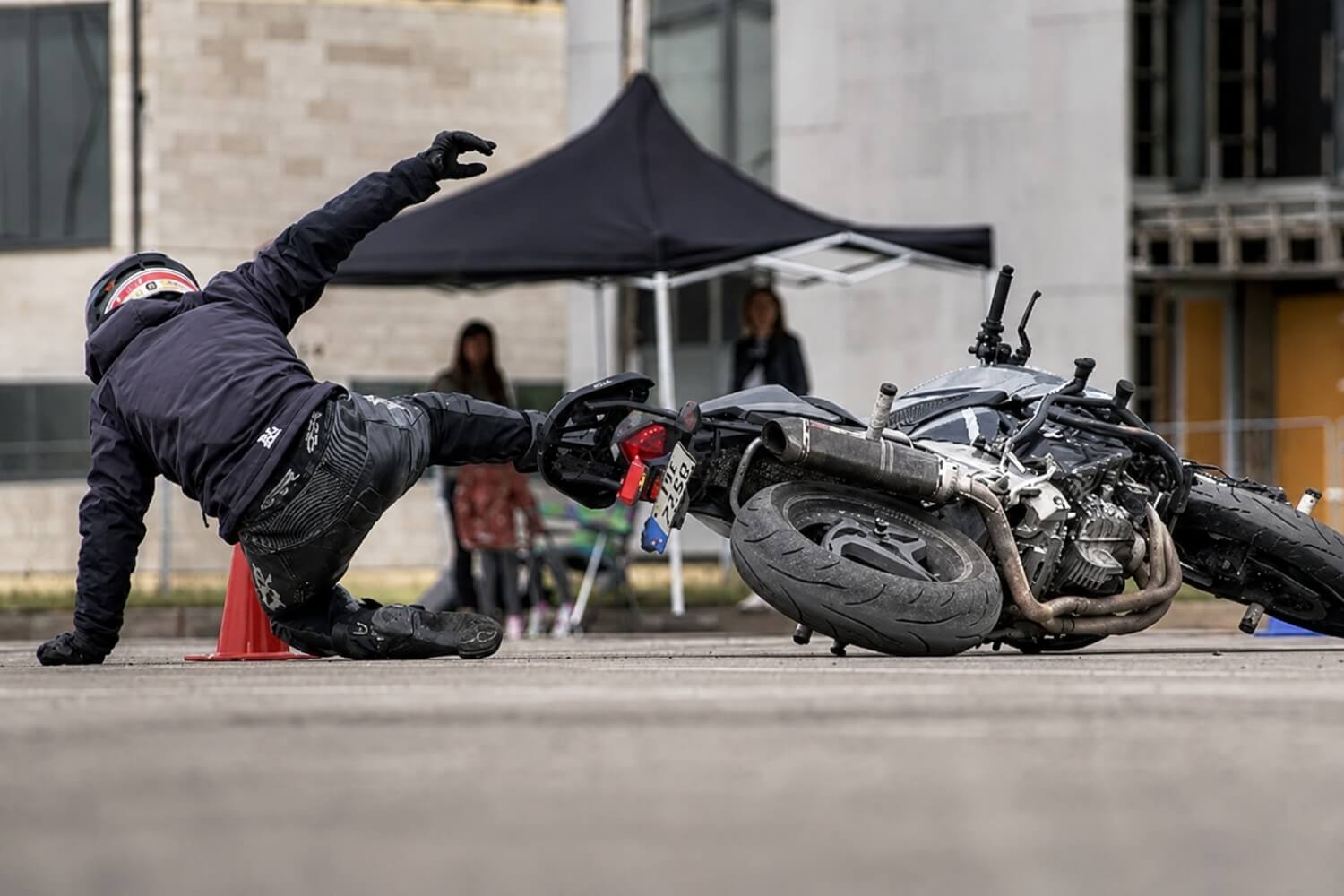
Most riders assume motorcycle insurance claims come from major crashes, reckless riding, or extreme situations. Sometimes they do, but many claims start much earlier, not with one bad decision, but with small habits that slowly become normal. Skipping a pre-ride check, getting too comfortable on familiar roads, or forgetting to look over your shoulder may not feel like a big deal in the moment. Over time, though, those habits create opportunities for damage, injury, and insurance claims that could have been avoided. That’s what makes them dangerous. They don’t feel risky until something happens.
What Motorcycle Claims Often Have In Common
Many riders expect insurance claims to start with a major mistake. In reality, they often begin during those routes you take all the time:
• The route you’ve taken hundreds of times
• The commute you know by memory
• The quick ride where nothing seems different
• The moment your attention drifts because everything feels familiar
The common thread isn’t recklessness. It’s complacency. And complacency tends to build quietly over time.
What These Mistakes Look Like in Real Life
Many riders recognize these situations: taking a corner on a familiar route slightly faster than usual, skipping a pre-ride inspection because everything looked fine yesterday, ignoring a patch of gravel because you’ve ridden that road a hundred times, or following a vehicle a little more closely because traffic feels predictable. The biggest risks aren’t always found on unfamiliar roads. They’re often found on rides that feel completely normal. When a ride starts to feel routine, it becomes easier to assume everything else will be routine too.
1. Every Ride Starts Before The Engine Does
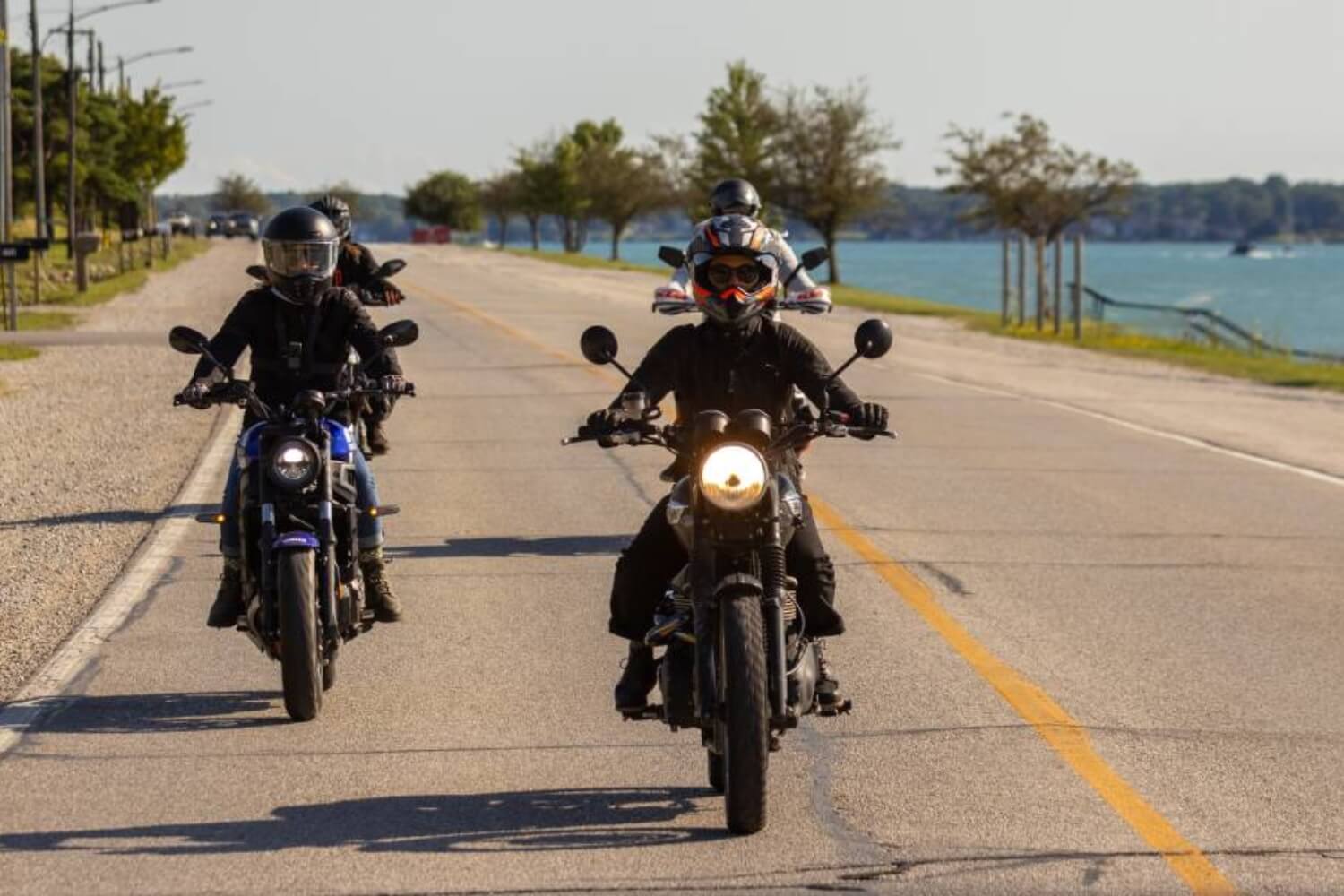
Every ride begins before the motorcycle leaves the driveway. Yet many riders rush through the transition between daily life and riding mode. The first 10 to 15 minutes of a ride often carries more risk than riders realize because both the motorcycle and the rider are still settling in.
During this period:
• Tires may not be at optimal operating temperature
• Braking feel may still feel slightly different than expected
• Rider focus is still shifting away from work, errands, or daily distractions
• Situational awareness may not yet be fully engaged
Even experienced riders underestimate this adjustment period. Research has found that 88% of major trauma injuries occur within 10 miles of a person’s home. Familiar roads often feel routine, which can make it easier to overlook the risks present at the beginning of a ride (Haas, et al., 2021).
At the same time, motorcycles are still settling in. Cold tires provide less grip than tires at their intended operating temperature, and testing has shown that stopping distances can increase by 20% to 30% before tires have fully warmed up (NHTSA, 2026).
That’s why the first few miles deserve extra attention.
RIDER EXPERT TIP
The safest riders don’t use the first 15 minutes to “wake up.” They use it to settle into the ride. A quick pre-ride routine can help:
• Check tires, brakes, and controls
• Confirm gear is secure and comfortable
• Review your route
• Take a moment to focus before pulling away
Bottom line
Every ride starts before the engine does. Giving yourself time to settle into the ride can reduce risk before the journey even begins.
2. When Experience Replaces Discipline
Experience helps every rider until it quietly replaces caution. The easiest way to get hurt on a ride is to get lost in the ride.
In fact, studies have found that 92% of riders involved in motorcycle crashes were experienced riders (BC Injury, 2026).
That shift matters because experience changes perception. Familiar roads feel safer. Known routes feel predictable. And predictable often gets mistaken for low risk.
Single-vehicle motorcycle crashes also account for approximately 38% to 46% of all fatal motorcycle accidents, highlighting a difficult reality: many serious incidents don’t involve another driver at all (NHSTA, 2026). They happen in moments where nothing “unexpected” appears to be happening.
Over time, a pattern starts to form:
• New riders are highly attentive
• Intermediate riders build confidence
• Experienced riders become comfortable
Comfort isn’t the issue, but what can quietly follow it.
Discipline begins to fade in small ways:
• Riding slightly faster on familiar corners
• Following traffic a little closer than before
• Paying less attention to changing road surfaces
• Assuming conditions are the same as last time
• Skipping checks because “nothing’s been wrong”
None of these moments feel significant, which is why they repeat.
Key Takeaway
Experience is valuable. But discipline is what keeps experience working for you.
3. Motorcycle Distractions That Don’t Feel Like Distractions
Most riders don’t consider themselves distracted, but distraction is not limited to phones or technology. Many riding distractions are mental, and they often show up in ways riders barely notice. A rider may still have both hands on the bars and both eyes on the road, but their attention can drift just enough to miss something important.
Examples include:
• Thinking about work or personal stress
• Riding with an unfamiliar passenger
• Trying to keep pace with a group ride
• Adjusting a GPS or communication system
• Looking at scenery instead of the road ahead
• Focusing on another rider’s actions instead of your own lane position
There’s a reason why Riders aged 30 to 59 account for 57% of motorcycle-related hospitalizations and 58% of motorcycle fatalities (Haas et al., 2020).
You get comfortable, you get complacent, then you get hurt. What does this really mean? The most common distractions are often the ones riders don’t recognize.
4. Be Ready for the “If.” Stay Ahead of It.
One of the most overlooked parts of riding is what happens after something goes wrong. When an incident occurs, many riders realize too late that:
• Important information isn’t easily accessible
• Emergency contacts aren’t readily available
• Coverage details haven’t been reviewed recently
• The next steps aren’t clear in the moment
Stress has a way of making simple decisions feel difficult, which is why preparation matters before an incident ever happens. Preparation is not just about avoiding problems on the road. It is also about knowing exactly what to do if something does happen, so you can respond calmly, protect yourself, and handle the situation with a clearer head.
Insight
The best time to prepare for an incident is before you ever need to respond to one.
Warning Signs That Complacency Is Creeping In
“I’ve ridden this road hundreds of times.”
“I’ll only be there for a minute.”
“I don’t need to check today.”
“Nothing ever happens around here.”
“I’ve been riding long enough to know.”

Motorcycle Claim Prevention Checklist Before Each Ride
✅ Quick bike inspection completed
✅ Route conditions considered
✅ Gear checked, fitted, and ready before ignition
✅ Riding focused and alert
✅ Emergency information accessible
Quick Answers Riders Ask
Do experienced riders have fewer claims?
Experience helps, but familiarity can sometimes create new risks.
Where do motorcycle thefts happen most often?
Anywhere opportunity exists, including familiar locations.
Should riders inspect their bike before every ride?
A quick inspection can identify small issues before they become larger problems.
What information should riders keep accessible?
Insurance details, emergency contacts, and vehicle information.
Riding habits don’t stay the same, and coverage shouldn’t either. Over time, most risks don’t come from major changes in how you ride. They often come from small shifts that go unnoticed, like riding more often, taking different routes, commuting more, or feeling more comfortable than you used to. A quick conversation with a Riders Plus Expert can help you understand whether your current coverage still matches how you actually ride today.
📞 1-877-251-4504
🌐 ridersplus.com
We’re riders too, and we’re always happy to help. Get a motorcycle insurance quote from us today.
Sources
Haas, L., Zaki, T., Hsiang, W., Leslie, M. P., & Wiznia, D. H. (2020). A review of common motorcycle collision mechanisms of injury. EFORT Open Reviews, 5(9), 544–548. https://doi.org/10.1302/2058-5241.5.190090
https://pmc.ncbi.nlm.nih.gov/articles/PMC7528667/
National Highway Traffic Safety Administration. (2026). Motorcycle safety: Understanding the problem. In Countermeasures that work: A highway safety countermeasure guide for State Highway Safety Offices. U.S. Department of Transportation. https://www.nhtsa.gov/book/countermeasures-that-work/motorcycle-safety/understanding-problem
BC Injury Research and Prevention Unit. (20226). Road safety: Motorcyclists. Injury Research BC. https://www.injuryresearch.bc.ca/injury-priorities/road-safety-motorcyclists





join the conversation